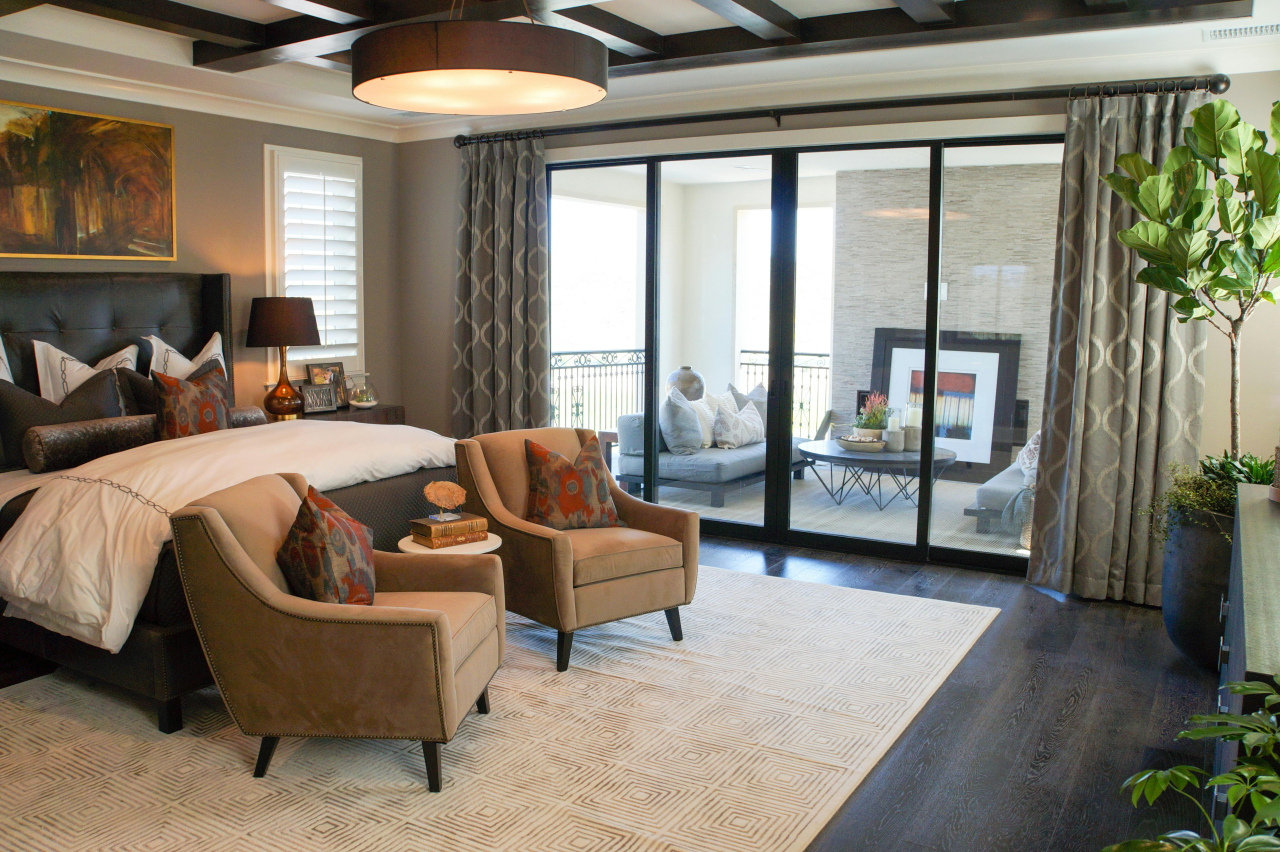
Internal bifold doors are no longer just a “patio feature”. They’re increasingly used inside UK homes to divide kitchens and dining rooms, create flexible living spaces, or separate a home office without losing natural light. If you’re researching bifold door internal options, focus on three things first: how you want the space to function, where the doors will stack, and how much privacy you actually need.
1) Pick the right use-case (and it will pick the right door)
Internal bifold doors work best when you have a space that changes purpose across the day — for example:
-
Open-plan kitchen/diner that becomes noisy during cooking
-
Living room that you want to “close off” in winter
-
Office or playroom you need to hide at short notice
-
Through-lounge where you want a calmer TV zone
Once you know the use-case, decide whether the door needs to be mostly glass (light), mostly solid (privacy/sound), or a mix (balanced).
2) Decide the stacking direction and traffic flow
A common mistake is choosing a nice-looking layout that blocks the natural route through the room. Before choosing panel count, check:
-
Which side you want the panels to stack to (left/right split or all to one side)
-
Whether you need a “daily door” (a single traffic leaf you use like a normal door)
-
If furniture placement will conflict with the open stack
For busy family homes, having a traffic door is a quality-of-life upgrade — you won’t fold back all panels every time you walk through.
3) Glazing and privacy: frosted, reeded, or acoustic upgrades
For internal use, the glass choice is often more important than the frame. Popular options include:
-
Clear glass for maximum light between rooms
-
Reeded/fluted glass for privacy while keeping brightness
-
Frosted/obscure glass for bathrooms, utility rooms, or offices
-
Acoustic laminated glass where you want better sound control (home office, music room)
If privacy is the main goal, consider half-height solid panels or a mixed design rather than going fully frosted — it often looks more “architectural” and less like an office partition.
4) Track systems and thresholds: smooth daily use matters
Internal bifolds should feel effortless. Look out for:
-
Good quality rollers and bearings (cheap hardware is where sticking starts)
-
A flush threshold if you’re aiming for a seamless feel between rooms
-
Proper alignment so panels don’t drift or scrape over time
For households with kids or frequent use, a sturdier track system is worth it — it reduces maintenance and keeps the doors gliding years later.
5) Style choices that look premium (without overspending)
Internal bifolds can be modern or traditional depending on finish:
-
Slim, dark frames for a “steel-look” style (popular in kitchen renovations)
-
White frames for clean, bright spaces
-
Soft greys or neutral tones that match modern interiors
-
Heritage glazing bars for period properties
Even if you don’t need high security internally, better-quality profiles and hardware usually improve feel, sound reduction, and longevity.
6) Installation reality check: what affects the final cost?
Internal bifold pricing changes most with:
-
Opening size and number of panels
-
Glass type (reeded/acoustic/laminated)
-
Whether a structural beam or opening alteration is needed
-
Hardware quality and threshold detail
If the internal bifold is part of a bigger reconfiguration (knocking through walls, moving a kitchen, adding a rear extension), it’s smarter to cost the whole project together so the door choice fits your build budget and not the other way around.
To explore real-world build budgets and compare typical project ranges, you can use this Extension Cost Calculator.