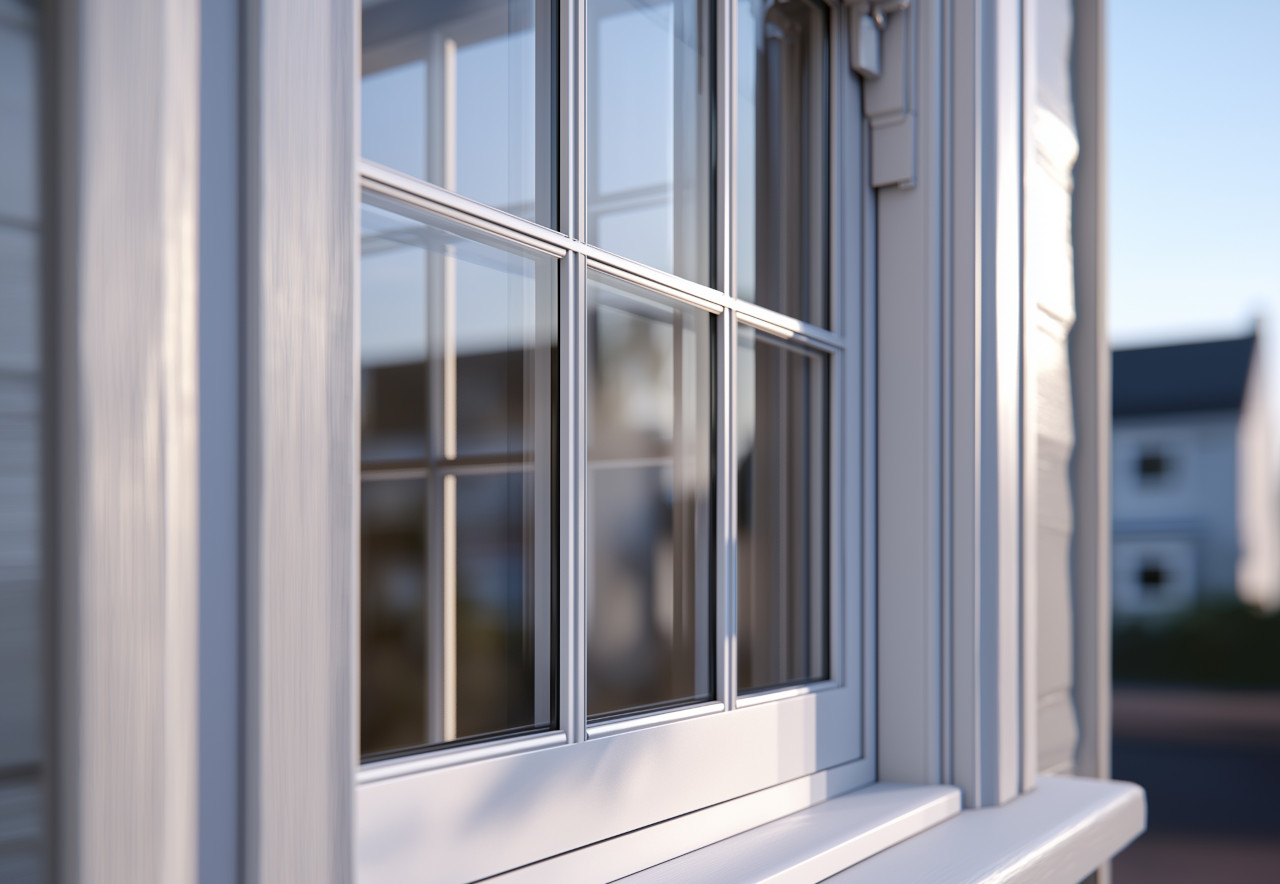
Modern uPVC windows have moved far beyond the “basic white frames” people remember from years ago. Today they come in woodgrain finishes, slimline profiles, heritage styles, and colour options that work on both modern builds and older homes. With the right spec, they can also improve comfort in ways you notice immediately.
Noise reduction: what helps (and what doesn’t)
If you live near traffic, schools, or busy walkways, glazing choice matters. Thicker glass panes, asymmetrical glazing (different thickness per pane), and well-sealed frames typically reduce noise more than frame material alone. However, the fit is crucial: even a small gap or poorly sealed reveal can leak sound. A good installer will focus on airtight finishing as much as the window itself.
Ventilation and condensation — plan it properly
Homes need ventilation, especially with better sealed windows. Trickle vents can help maintain airflow without leaving windows open, and they may be important depending on property type and room usage. Condensation often improves after replacement because cold surfaces disappear, but it can still occur if ventilation is poor in kitchens, bathrooms, or bedrooms. Think of new windows as part of a wider “warm and ventilated” system.
Security basics you can ask for
Most modern window systems offer multi-point locking and internal beading as standard, which improves security. For ground-floor windows or easy-access areas, you can also ask about laminated glass options or enhanced hardware. It’s a simple way to increase resistance to forced entry without changing the look.
The biggest deal-breaker: installation quality
Even premium windows can perform badly if fitted poorly. If frames aren’t leveled correctly, you can get stiff operation, uneven seals, or water ingress over time. Ask how the installer finishes externally (sealing, trims, drainage) and what warranty covers both product and fitting.
Getting a realistic price range first
Before you compare sales pitches, it’s useful to get a quick “reality check” on what configurations typically cost. A double glazing cost calculator can help you estimate a sensible range based on sizes and choices, so you can approach quotes confidently and avoid being steered into upgrades you don’t need.
If you focus on the essentials—spec, ventilation, security, and fitting—you’ll end up with windows that look right, feel warmer, and stay reliable for years.