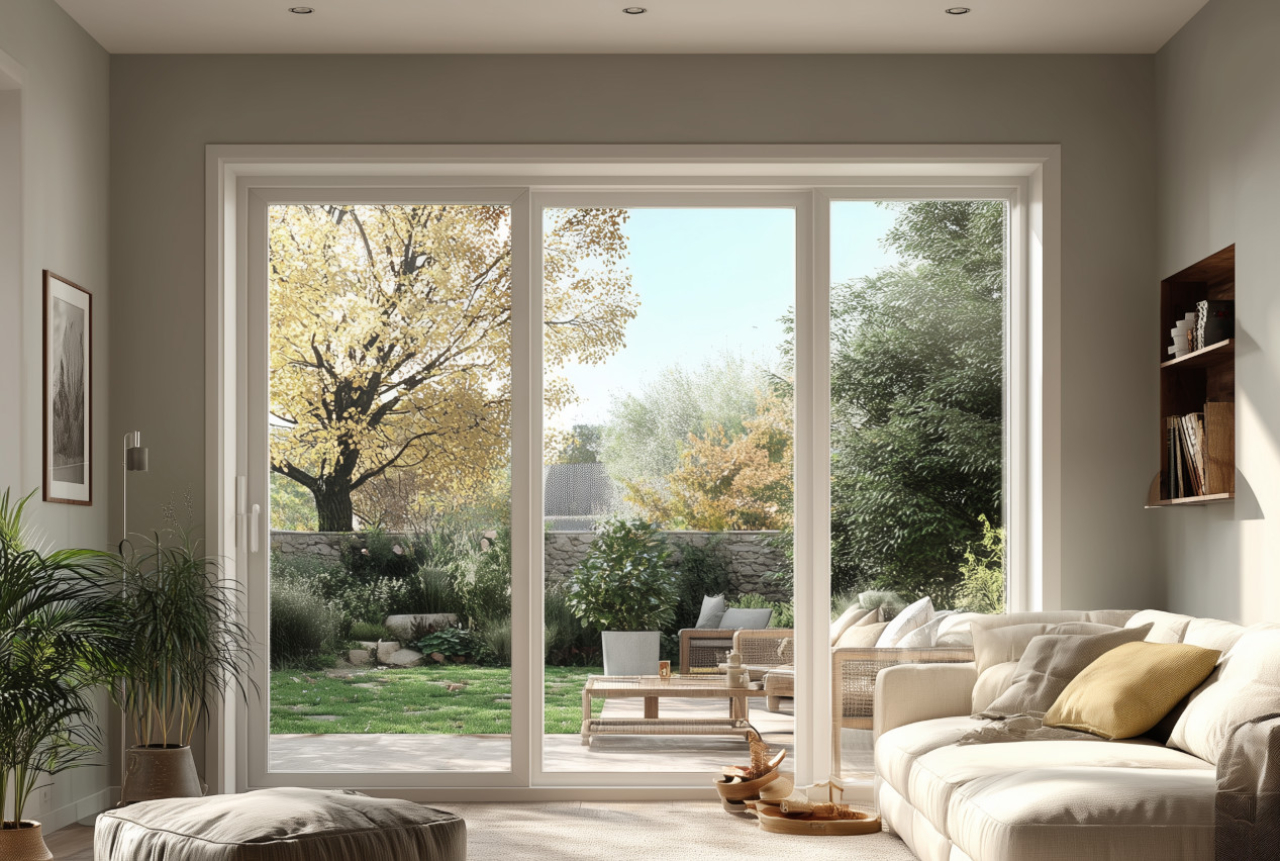
It’s easy to assume a door is a door—until a draught appears in winter, the lock feels stiff, or the door starts catching the frame. That’s why choosing uPVC doors based on a simple checklist is usually smarter than choosing purely on price.
Start with the basics: door set quality. Modern uPVC doors are typically reinforced internally, often using steel or similar reinforcement in the frame. That reinforcement matters because it helps the door stay rigid and reduces the risk of warping or alignment issues over time. If a quote is vague on reinforcement, ask directly what’s inside the frame and whether the door is designed for long-term use on an exposed elevation.
Next is security. Multi-point locking is common now, but the real weak point in many break-ins is the lock cylinder. A higher-quality cylinder is designed to resist snapping, drilling and picking—an upgrade that can be relatively small in cost compared with the overall project. Also consider the glazing: if the door includes large glass panels, laminated glass can add another layer of protection and improve noise reduction.
Then look at insulation and comfort. Homeowners often notice the difference immediately after a door replacement—less cold air around the threshold and fewer rattles in windy weather. However, the effective performance depends on the whole door set: frame design, weather seals, threshold detailing and installation accuracy. A well-fitted uPVC door should close cleanly, compress the seals properly, and feel solid without having to “slam” it.
Installation is the make-or-break factor. Even a great door can perform badly if it’s fitted out of square, over-packed, under-fixed or sealed poorly. A useful habit is to ask what the installer includes in the finish: internal trims, external sealant lines, waste removal and making-good around the opening. A tidy install isn’t only cosmetic—it can prevent water ingress and draughts later.
Style and day-to-day use comes next. Think about how the home is used:
-
Need more light in a dark hallway? Choose glazing.
-
Need more privacy on the street? Use obscure glass or patterned designs.
-
Want easier access? Consider a low threshold (with the right drainage detail).
-
Want a modern look? A flush-style panel and modern handle set can transform kerb appeal.
Before speaking to multiple suppliers, it can also help to get a baseline on costs. An independent estimate tool such as the Double Glazing Cost Calculator can give a broad UK range, which helps homeowners compare quotes more calmly and avoid getting anchored by the first number they hear.
Choosing a uPVC door doesn’t need to be complicated. Focus on security spec, insulation details, and install quality—and the final result should feel quieter, warmer and more secure from day one.