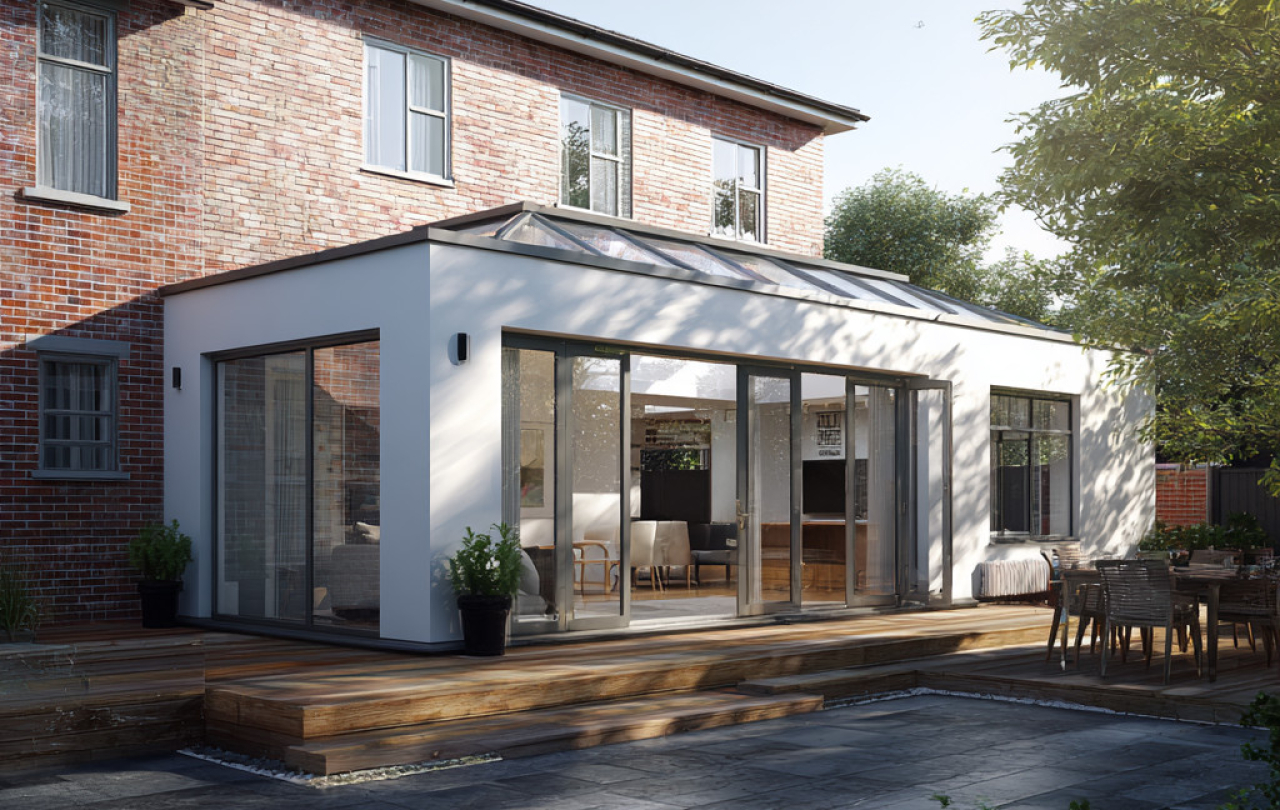
A well-built orangery should feel like a natural extension of your home: bright, comfortable, and usable without you constantly thinking about heating, glare, or drafts. The frustrating part is that many “orangery problems” don’t come from the idea itself—they come from spec traps inside quotes. These are the little grey areas where two companies say the same thing, but mean completely different things.
Spec trap #1: Vague glazing language
If a quote simply says “double glazed units” (or worse, just “glazing”), you don’t really know what you’re buying. Good glazing choices affect comfort more than almost anything else. If your orangery has a lot of glass facing strong sun, you should ask about solar control options. If you live near a busy road, acoustic upgrades might matter. If the room includes low-level glass or large panels near doors, safety glazing and durability become more important. The point isn’t to turn the quote into a physics exam. It’s to avoid paying for an orangery that looks lovely but feels uncomfortable for half the year.
Spec trap #2: Thresholds and drainage that look great on paper
Flush thresholds are everywhere because they look modern and feel nice underfoot. But this is also where weather detail matters. If your site is exposed to wind-driven rain, poor drainage detailing can create water ingress or persistent damp around the threshold. Even if it doesn’t leak, it can become a constant cleaning annoyance. A good installer will explain the threshold choice, how it sheds water, and whether any external drainage channel is needed. A weak installer will just say “yes, we can do flush” and move on.
Spec trap #3: “Structure included” without specific assumptions
Orangeries often involve creating wider openings at the rear of the house. Wider openings can mean structural steel, and steel can change timelines, finishes, and costs. The trap is when steel is “allowed for” vaguely, or not mentioned at all, until the survey reveals the true requirement. Then the price moves and the homeowner feels cornered because planning has already mentally started. The solution is simple: ask what structural assumptions are included, and what happens if the opening needs more support than expected.
Spec trap #4: Finishing scope (the silent budget killer)
Some quotes include plastering, electrics, lighting, flooring, internal making good, removal of waste, and tidy external detailing. Others stop at the shell and leave the rest to “client to arrange”. Neither approach is wrong, but comparing them as if they’re the same is where budgets blow up. Ask for a plain-English list of what is included and what isn’t. This also helps you avoid the classic “I thought that was included” moment when the room is standing but not actually liveable.
Spec trap #5: Ventilation and condensation planning
Even a well-insulated orangery can suffer if ventilation is treated as an afterthought. Warm air rises and moisture builds up, especially if the space connects to a kitchen or laundry area. If opening roof vents, trickle vents, or mechanical extraction aren’t part of the discussion, you can end up with a room that looks finished but feels stuffy. It’s not only about comfort; it’s about protecting finishes and reducing long-term maintenance headaches.
The good news is that once you know these traps, avoiding them is straightforward. Ask better questions, demand clear assumptions, and compare like-for-like. If you want a quick baseline number before you start booking surveys, the Double Glazing Cost Calculator lets you build a rough spec and see a realistic range. That makes it much easier to spot when a quote is missing important elements—or when it’s genuinely premium because it includes a stronger spec and fuller scope.