What is Plastic Injection Molding?
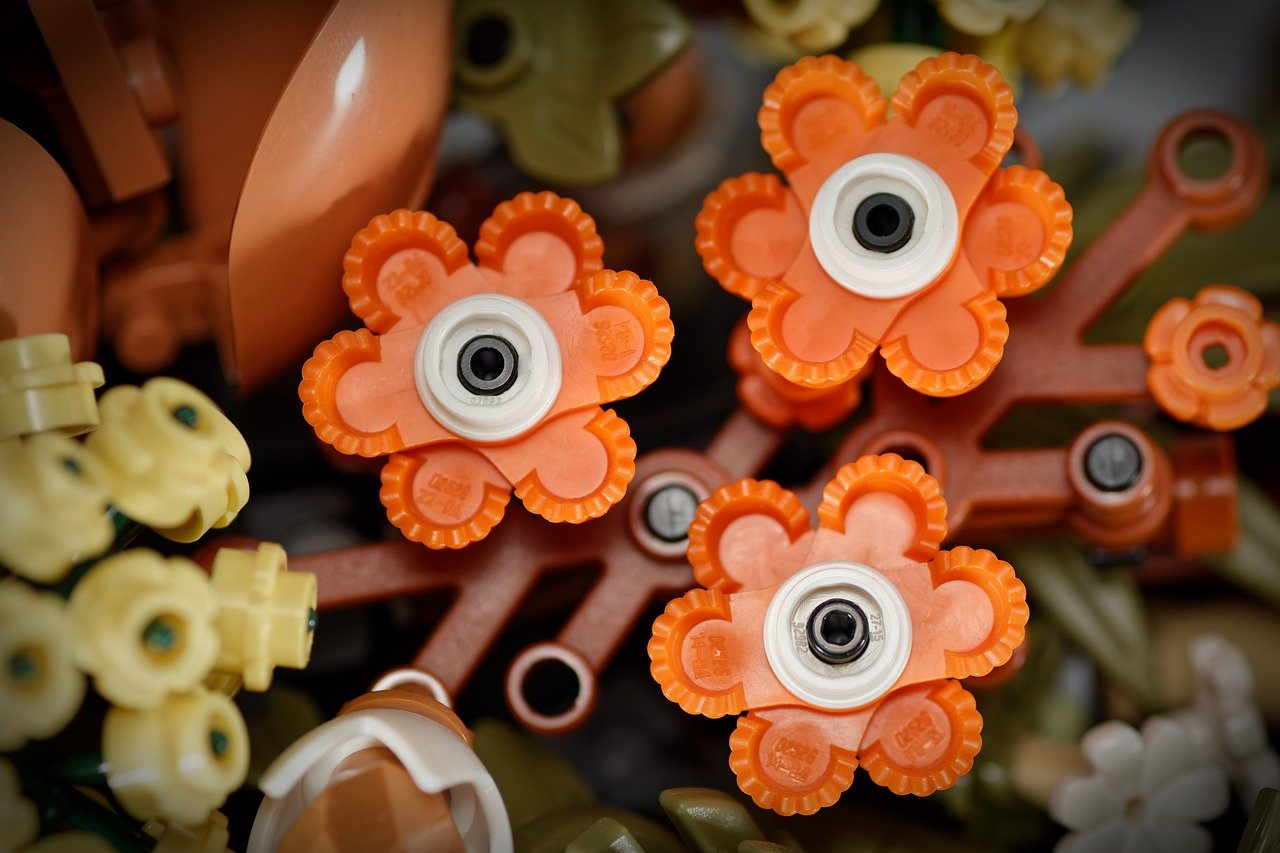
At its core, plastic injection molding is a process in which molten plastic material is injected into a mold under high pressure. Once cooled and solidified, the material takes the exact shape of the mold, producing a finished component ready for use or further processing. This method allows manufacturers to create complex geometries with minimal waste and high consistency.
The process begins with raw plastic resin, which is heated to a liquid state. It is then injected into a precisely engineered mold cavity. After cooling, the mold opens, and the finished part is ejected. This cycle can be repeated thousands or even millions of times, ensuring efficient large-scale production.
Technology and Machine Capabilities
Modern injection molding facilities are equipped with advanced machinery designed to handle a wide range of production needs. High-performance machines operate with clamping forces ranging from 50 to over 1000 tons, allowing the production of both small precision parts and large structural components. The weight of molded parts can vary significantly, from fractions of a gram to several kilograms.
Automation plays a key role in increasing efficiency and maintaining consistent quality. Robotic systems assist in part removal, handling, and packaging, reducing manual labor and minimizing the risk of defects. Additionally, technologies such as 2K injection molding and overmolding allow the combination of multiple materials or colors in a single component, expanding design possibilities.
Design Optimization and Material Innovation
Successful injection molding is not just about machines – it is also about smart design and material selection. Engineers work closely with product designers to optimize shapes, wall thickness, and structural integrity. Proper design reduces material consumption, shortens cycle times, and improves durability.
Material technology also plays a crucial role. Different types of plastics offer varying properties such as flexibility, strength, heat resistance, and chemical stability. By selecting the right material for each application, manufacturers can meet strict performance requirements across industries.
Quality Control and Tool Maintenance
Maintaining high product quality requires not only advanced production techniques but also rigorous tool maintenance. Injection molds must remain in perfect condition to ensure dimensional accuracy and surface finish. Regular inspections, preventive maintenance, and timely repairs help avoid production downtime and ensure consistent output.
Well-maintained tools also extend the lifespan of molds, reducing long-term costs and supporting sustainable manufacturing practices. This systematic approach guarantees that each produced component meets strict quality standards.
Applications Across Industries
Plastic injection molding is used across a wide range of industries, including automotive, electronics, energy, healthcare, and consumer goods. Components produced through this method can be found in everything from smart home devices to complex machinery systems. The ability to scale production while maintaining precision makes this technology indispensable in today’s global manufacturing landscape.
Sustainability and Future Development
As environmental awareness grows, the injection molding industry is evolving toward more sustainable practices. Manufacturers are increasingly using recyclable materials, optimizing production to reduce waste, and improving energy efficiency. These innovations help balance industrial growth with environmental responsibility.
Plastic injection molding continues to develop, driven by technological advancements and changing market demands. With its ability to combine efficiency, precision, and versatility, it remains a key pillar of modern manufacturing and a reliable solution for producing high-quality plastic components at scale.